LOGO

Ammonia (NH₃)

Ammonia (NH₃) is a toxic gas that is made up of one nitrogen and three hydrogen atoms. Naturally, it is found in small amounts, but can be produced through industries. Since, ammonia uses in the manufacturing of fertilizers, refrigeration, and cleaning products. It used as a raw product for making chemicals such as nitric oxide.
Ammoniain the human body
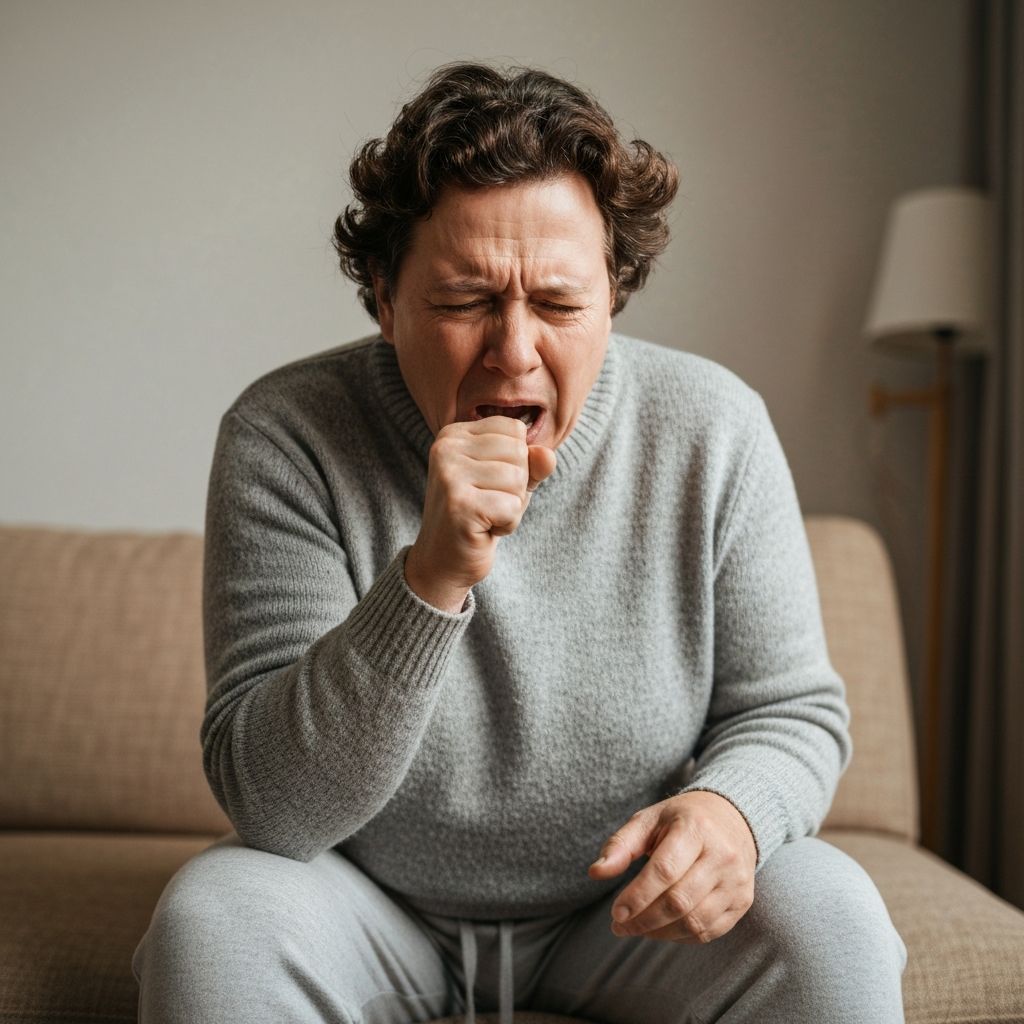
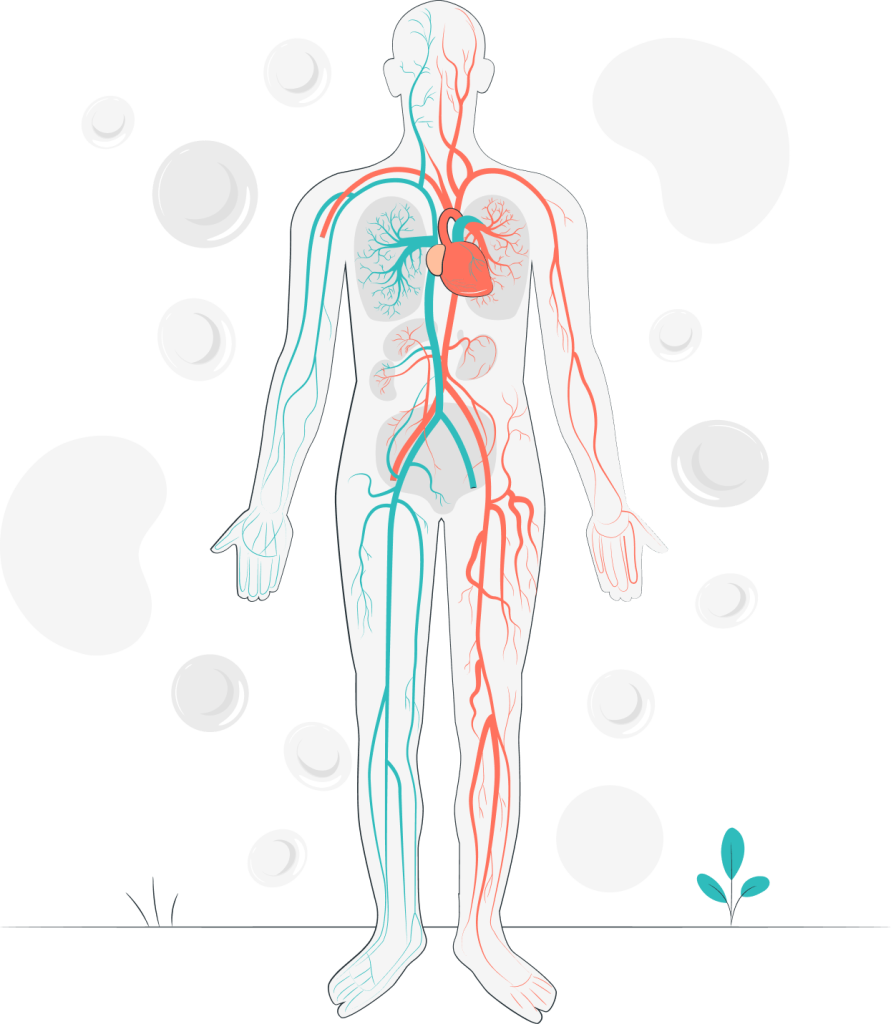
Ammonia can found in the blood culture of humans. Normal ammonia blood levels range between 15 to 45 micrograms/dL. There are medical reasons as well as external factors that can increase blood ammonia toxicity in the body. Hence it can result in various health problems, that depend on the nature of ammonia exposure. These include inhalation, ingestion, or direct contact with the eyes or the skin, which can cause a severe burn.

Ammonia (NH₃) : Main Emission Sources

Cooking, tobacco smoke, burning fuels and kerosene, mold, air fresheners, nail polish removers, pet dander, and many more. When there is no circulation of air and indoor air trapped inside, CO2 levels will rise.

🚗

Vehicle emissions

Gasoline burning produces ammonia in the air by 0.30–0.47 g/kg. Whereas diesel burning contributes 0.34–0.50 g/kg.

🌾

Agricultural activities

Chemical fertilizers, slurries, and synthetic manures carry ammonia, hence farmers are at a high risk of ammonia exposure.

🏭

Industries

Ammonia is used in various manufacturing processes such as fertilizer industries, urea manufacturing industries, and many more.

🏠

Household emissions

Sources such as cooking, cleaning agents, metabolic activities, and smoking can all contribute to household ammonia emitters.

💧

Sewage Treatment plants

Processing of sewage waste can produce a high amount of ammonia. If not monitored and controlled, it can be fatal.

🏗️

Building materials

Cement concretes that are used to build houses release ammonia. Paint and solvents also have traces of ammonia gas.

Ammonia (NH₃) in Enviornment

Atmospheric sulfates and nitrates mix with ammonia which further forms into second-hand particle pollution (PM2.5).
Ammonia assists in the acidification, salinization, and oxidation of ammonium salts in waterways that affect the marine life.

Ammonia concentrations and Health Affects

Good

0-200 μg/m³
Air is good to inhale

Satisfactory

201-400 μg/m³
Irritation in the eyes and respiratory tract

Moderate

401-800 μg/m³
Skin and mouth irritation can be experienced

Poor

801-1200 μg/m³
Exposures can cause skin, eyes, and respiratory tract burns

Very poor

1200-1800 μg/m³
30-minute exposure can be fatal

Severe

1800+ μg/m³
Can result in rapid Respiratory Arrest
*NAQI as per CBCB. 2-h hourly average values.

Health Hazards of Ammonia Poisoning

Ammonia gas can be bad for health due to its irritant and toxic properties. Thus, it is essential to take proper precautions when handling it to prevent exposure and ensure personal safety.

Following are some common health hazards one can experience if exposed to ammonia gas:

Skin Irritation

Skin Irritation

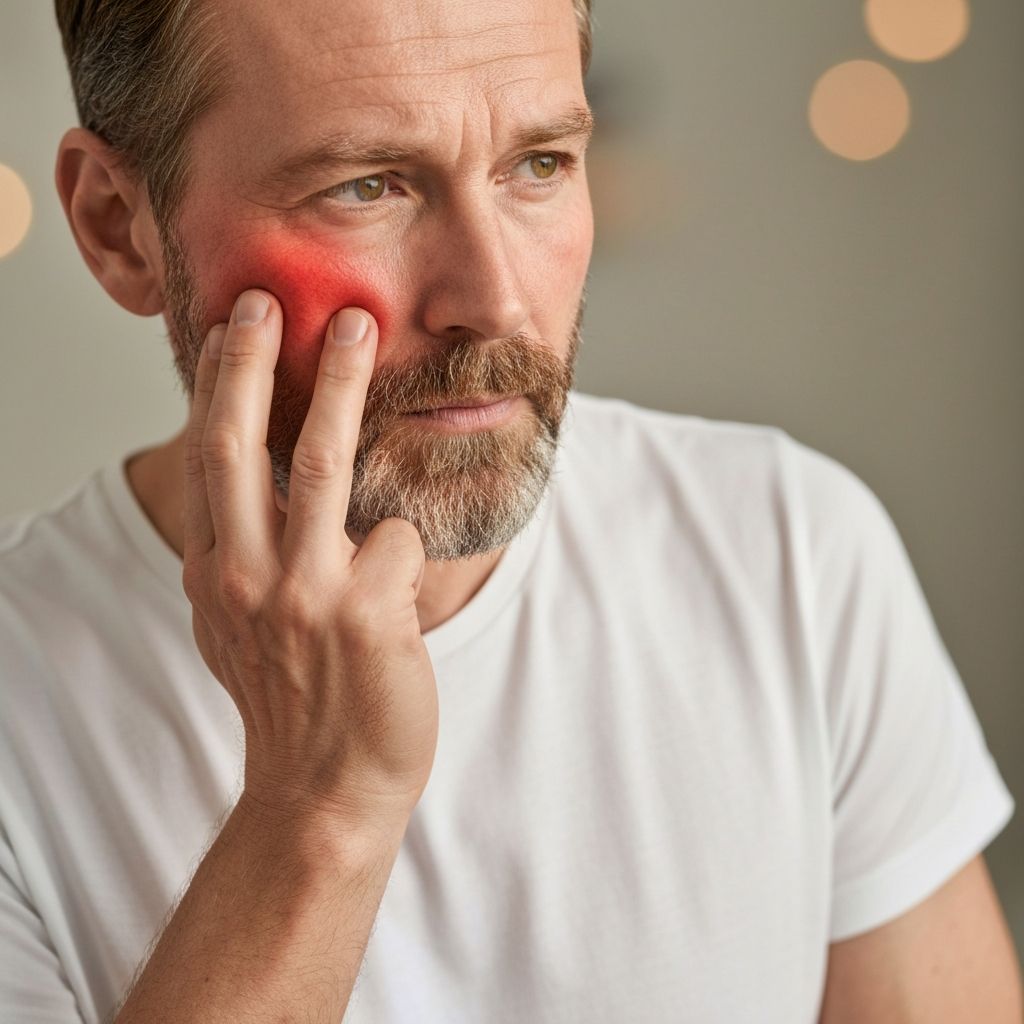
It can cause skin irritation, including burning and itching, which may lead to rashes and blisters with prolonged exposure.

Seizures

Seizures

High levels of ammonia exposure can lead to poisoning, which can cause symptoms such as confusion, dizziness, and seizures, and can even be fatal in severe cases.

Long-term breathing issues

Long-term breathing issues

Chronic exposure to low levels of ammonia can also lead to long-term health effects such as chronic bronchitis, asthma, and lung damage.

Digestive issues

Digestive issues

Ingestion of ammonia can lead to digestive issues such as nausea, vomiting, and abdominal pain.

It is essential to take proper precautions when handling ammonia to prevent exposure and ensure personal safety. This includes wearing protective gear, using proper ventilation, and following safe handling procedures.

Safety Regulations and guidelines for handling Ammonia gas in different industries

Some common safety regulations and guidelines include:

Personal protective equipment (PPE)

Workers handling ammonia gas should wear appropriate PPE, such as respirators, goggles, gloves, and protective clothing, to prevent exposure.

Proper ventilation

Facilities handling ammonia gas should have proper ventilation systems to prevent the buildup of hazardous concentrations of ammonia gas in the air.

Transportation regulations

Ammonia gas is considered a hazardous material for transportation, and specific regulations apply to its transport by road, rail, or sea.

Inspection and maintenance

Equipment and facilities handling ammonia gas should be regularly inspected and maintained to prevent leaks or other safety hazards.

Emergency response plans

Facilities must have emergency plans for ammonia gas incidents. Workers need training and access to gas masks, air supply systems, and emergency showers.

Regulatory compliance

Facilities handling ammonia gas must comply with relevant safety regulations and standards, such as those set by OSHA, EPA, or local authorities.

Overall, safety regulations and guidelines for handling ammonia gas are essential to prevent accidents, protect workers and the public, and ensure compliance with environmental and safety regulations.

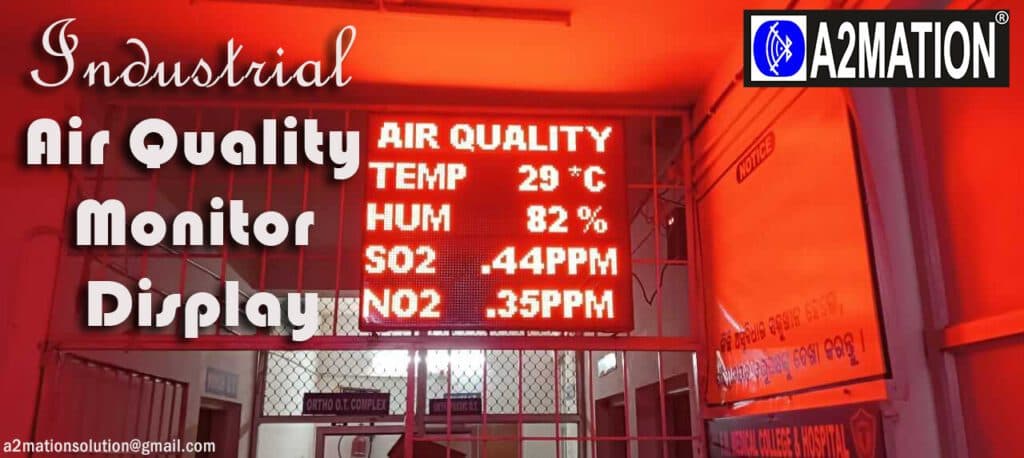
Choose YourAir Quality MonitorTo Measure Ammonia in Air

 a woman coughing due to air pollution