LOGO
Picture of the author

What Is Humidity?

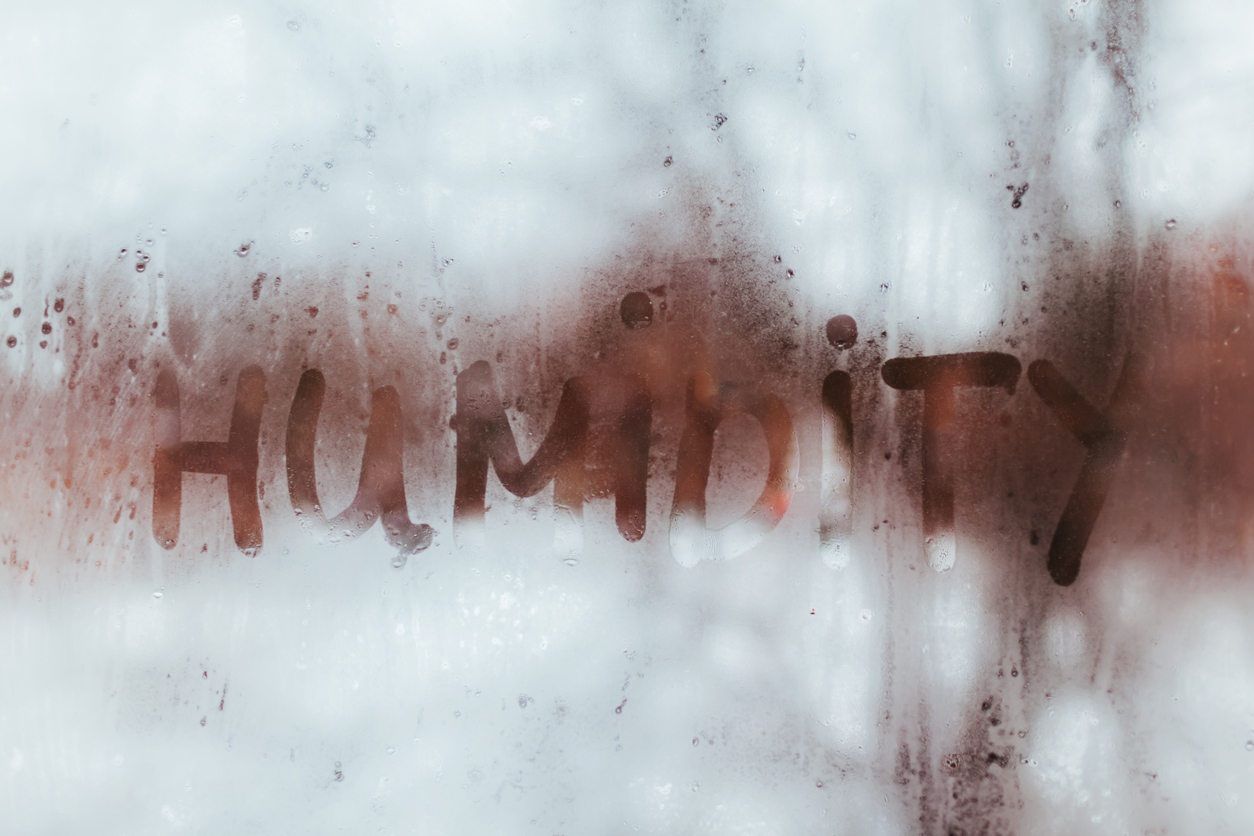
Humidity is the term for the gaseous water content in the air. The quantity of gaseous water (water vapor) in the atmosphere is known as HUMIDITY, which can change when water is present in excess amounts. For example, when it is about to rain, there is a lot of water vapor in the air.

Where does Humidity come from?

There are many factors that decide the humidity of a place, both indoors and outdoors. Temperature plays an important role in deciding the relative humid levels indoors as well as outdoors. For example, when the temperature is hot, the humid level decreases as the air can hold more water content. But when the temperature decreases, the air cannot hold much moisture. Hence, the relative humid level increases. Therefore, when the temperature indoors is cold or hot enough, we need to warm or cool it up, respectfully, to maintain the ideal humidity levels. When there is 100% humidity in the air, it will rain as the air wont be able to hold more water vapour.
Picture of the author

What is the difference between Relative & Absolute Humidity?

Relative Humidity

The ratio of the amount of water vapour in the atmosphere to the highest amount of vapour that the air can hold is known as relative humidity.

Absolute Humidity

Whereas the quantity of water vapour present in a particular amount of air at a given time and temperature is known as absolute humidity.
Picture of the author

Are humidity and moisture the same?

Humidity is the amount of water vapour in the air in its gaseous state. Whereas moisture is the content of water in its liquid state. When air reaches its limit to absorb water in the form of water vapour, water will begin to condense as drops in the air that is why clouds form. That is known as moisture. When humidity reaches its peak, rainfall happens, that is moisture.

Factors that affect Humidity Level Indoor & Outdoor

Outdoors Environment

Air Movement

Higher wind speeds result in less water evaporation and lowers it, while lower wind speeds result in more evaporation & higher humidity.

Temperature

The air can store more water vapour when the temperature increases, hence a warmer atmosphere may have a higher level of it.

Wind Speed

Lower wind speeds result in more water evaporation & higher humidity, while higher wind speeds result in less evaporation & lower its level.

Precipitation

Its level will rise the longer it rains because the air is constantly absorbing water.

Air Pressure

It depends on the atmospheric pressures at different geographical locations, temperature, and air pressure in the respective area.

Indoor Environment

Cooking or boiling water

Cooking and water boiling activities release water vapour in the air. This will add to the relative level of that room.

Appliances such as Gas Heaters

One litre of moisture is produced every hour while using a non-fueled gas heater.

Ventilation Rate

Its high level indicates inadequate ventilation. Extremely high indoor humidity is linked to an increase in the development of bacteria and mould.

Drying the clothes indoors

Drying the clothes indoors can increase its relative level in a room and therefore will increase the risks of mould and bacteria growth.

Water leakages

Water leakages can increase both moisture & humidity. As a result, the air will become stale & the chances of getting sick due to bacteria will increase.

What Happens When Humidity Level Is Very Low & High?

The ideal of healthy range of it should be maintained between 30-60%. Because it is unhealthy when it exceeds or is lower than the ideal limit, it causes many discomforts. Hence, it can result in the growth of mold and bacteria.

When humidity is high

(≥ or = to 60%)

Encourages Mold & Mildew

When the relative level is more than 60%, it can promote the growth of mold and mildew. Excess mold in your home is considered very dangerous for humans.

Virus and bacteria

When you spend too much time in too humid conditions, it might trigger allergies & make you sick. Because viruses and bacteria thrive in humid conditions which can cause various respiratory illness symptoms.

Excess Sweating

Humidity means that the air contains water vapor. When the air becomes more humid, people experience excessive sweating. Because the sweat will not evaporate easily. Or it will take more time than usual due to high water vapor in the air.

Increased Respiration

Due to high temperature, when our bodies heat up naturally, we sweat. That sweat then evaporates to keep our bodies cool. Due to excess moisture in the air, our bodies need to work harder to cool off. This increases blood circulation and respiration.

Damage Your Belongings

High humidity can damage your furniture, flooring, wallpaper, paintwork, etc. High humidity results in condensation that gather on walls. So the paint will start to flake and the wallpaper will curl up.

When humidity is low

(≥ 30%)

Germs and Viruses

Due to low humid level, germs & viruses disperse and travel around freely. As a result, they thrive in low humid level, and diseases such as RTIs are more common when relative humidity level is low.

Susceptibility to respiratory diseases

Normal level and low temperatures result in more susceptibility to catching respiratory diseases, colds, and many other respiratory tract infections like sinusitis, otitis, bronchitis, and pneumonia. This is because low humid level will result in drying out the airways.

Dry Hair and Dry Skin

When the air has low humid, skin, and hair do not get enough moisture. As a result, the skin will flake resulting in skin irritation and itching and can worsen skin conditions like eczema and psoriasis. Whereas hair will become more dry, dull, and will break more often.

Influenza

Low relative humidity results in chances of spreading influenza. Low humidity further reduces the ability of cilia (hair-like structures in the airway cells) in removing viruses such as Covid-19 and preventing damage done to the lungs due to such viruses.

Decreased performance

Even minor variations in relative humidity and temperature can create measurable changes in your abilities to concentrate or accomplish tasks, especially in places like schools and offices where concentration is extremely important.

💡 Pro Tip: Maintain humidity levels between 30-60% for optimal health and comfort in your home or workplace.

How To Maintain the Good Humidity Indoor?

Healthy or ideal indoor relative humid levels should be between 30-50%

🔧

Fix any leakages or pipe leaks

Fix any broken pipes, faucets, and leakages that can result in more moisture and condensation indoors.

👕

Dry your clothes outside

It's recommended to dry your laundry outdoors as they can increase the relative humid level of a room if dried indoors.

🌱

Relocate your indoor plants

If the relative humid level of a room is higher and it has plants in that room, consider relocating them as they are a potential source.

❄️

Use Dehumidifiers

Dehumidifiers will help you reduce the relative humid level of your space if you have high-level problems in your room.

Use charcoal pieces

Charcoal is a great absorber. A single piece of charcoal can reduce humid levels in your air. They just need to be replaced every 2-3 months.

🪟

Open windows

Opening windows in areas with high level of it, such as bathrooms is one of the easy solutions. This will increase ventilation as well.

Humidity levels and what do they mean?

Healthy or ideal indoor relative humid levels should be between 30-60%
= 70%
Dust mites, the most common dust allergens for asthma, thrive when relative humid level is at or above 70.
30-60%
Ideal relative humidity indoors.
>30%
Low relative humid level. Increases the chances of catching airborne viruses. Eye, nose, and throat dryness.

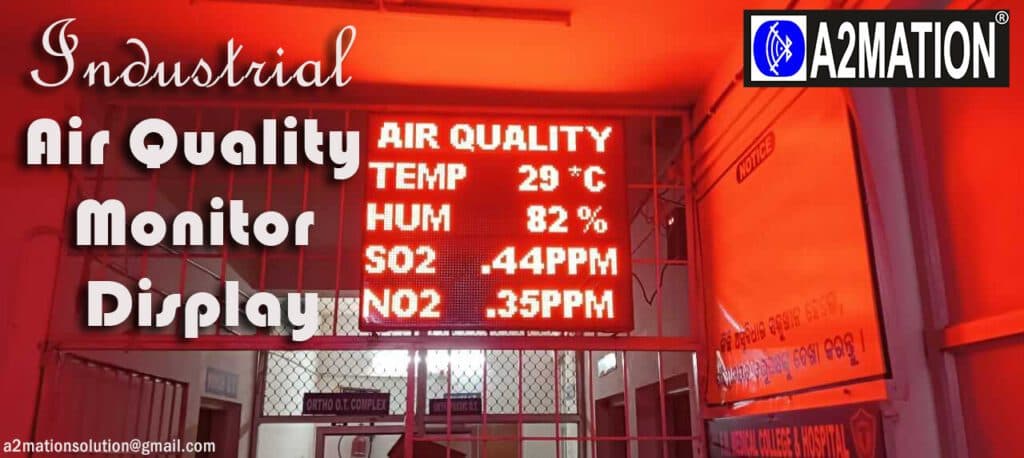
Choose YourAir Quality MonitorTo Measure Humidity in Air

 a woman coughing due to air pollution